Bücher




Exploring Forex Trading Systems Strategies for Success 1802299547
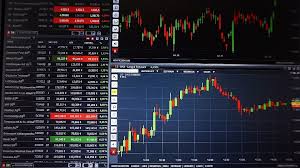
In the world of financial trading, forex (foreign exchange) is one of the most dynamic and lucrative markets. Traders and investors worldwide participate in currency trading, aiming to profit from exchange rate fluctuations. To navigate this complex marketplace effectively, it’s essential to develop or adopt robust forex trading systems. In this article, we will delve into the intricacies of forex trading systems, examining various types, strategies, and tools that traders can implement to enhance their trading experience. You can find useful resources at forex trading systems fxtrading-broker.com.
What Are Forex Trading Systems?
Forex trading systems are structured methods and strategies designed to help traders execute trades in the forex market. These systems often include a combination of technical indicators, fundamental analysis, risk management techniques, and comprehensive rules to guide trades. While trading can sometimes feel daunting, a well-defined forex trading system can streamline the process, making it easier to make informed decisions under pressure.
Types of Forex Trading Systems
Forex trading systems can be broadly classified into several categories:
- Technical Trading Systems: These systems rely on technical analysis, using historical price data and indicators to predict future movements. Common technical indicators include moving averages, RSI (Relative Strength Index), and MACD (Moving Average Convergence Divergence).
- Fundamental Trading Systems: These systems focus on macroeconomic factors that influence currency movements. Traders using this approach analyze economic indicators, such as interest rates, employment data, and GDP growth, to forecast currency fluctuations.
- Automated Trading Systems: Also known as algorithmic trading, automated systems use computer programs to execute trades based on predefined criteria. These systems can process vast amounts of data faster than a human trader, potentially increasing profitability.
- Discretionary Trading Systems: In this approach, traders rely on their judgment and intuition to make trading decisions. While less systematic, this method allows for flexibility and quick adaptation to market changes.
The Components of a Successful Forex Trading System
A successful forex trading system usually incorporates several key components:
1. Risk Management
Effective risk management is vital for any trading system. Traders must determine their risk tolerance and implement strategies such as setting stop-loss orders and calculating position sizes to limit potential losses.
2. Entry and Exit Strategies
Clearly defined entry and exit points are crucial for any trading system. This may involve identifying specific price levels, chart patterns, or trigger signals based on technical indicators.
3. Analysis Techniques
A successful forex trading system should integrate both technical and fundamental analysis. Technical analysis helps traders identify trends and reversals, while fundamental analysis provides insight into broader economic conditions.
4. Backtesting

Backtesting is the process of applying a trading strategy to historical data to assess its viability. This step is essential for identifying potential strengths and weaknesses in the system.
Building Your Own Forex Trading System
Creating a personalized forex trading system may seem daunting, but it can be a rewarding endeavor. Here are steps you can follow:
- Define Your Goals: Determine what you want to achieve with your trading system. Are you looking for long-term investment, short-term gains, or a way to generate additional income?
- Choose a Trading Style: Understanding your trading style (scalping, day trading, swing trading, etc.) will significantly impact your system’s design. Each style comes with different timeframes and strategies.
- Select Indicators and Tools: Research and choose the indicators that align with your trading philosophy. Popular choices include Bollinger Bands, Fibonacci retracement levels, and trend lines.
- Develop Rules: Write down specific rules for entering and exiting trades. These rules should be clear and actionable to minimize emotions and biases during trading.
- Test Your System: Use historical data to backtest your system. Evaluate its performance and make adjustments as needed.
Popular Forex Trading Strategies
Here are some popular strategies that traders can incorporate into their systems:
1. Trend Following
This strategy involves identifying and following existing market trends. Traders buy when a currency is on an upward trend and sell during a downward trend, often using technical indicators to confirm trends.
2. Range Trading
Range trading focuses on trading between predefined support and resistance levels. Traders buy at support and sell at resistance, assuming that prices will continue to oscillate within the range.
3. Breakout Trading
Breakout trading involves entering a position when the price breaks through a significant support or resistance level. This strategy can lead to substantial gains if the breakout indicates a new trend.
Tools for Forex Trading Systems
Numerous tools and resources can enhance the effectiveness of forex trading systems:
- Trading Platforms: Platforms such as MetaTrader 4 or MetaTrader 5 offer various analytical tools, charting capabilities, and automated trading options.
- Economic Calendars: Economic calendars provide essential information about upcoming economic events and data releases that may affect currency fluctuations.
- Trade Journals: Keeping a trade journal helps track performance, analyze successful and unsuccessful trades, and improve the trading system over time.
Conclusion
Forex trading systems are a crucial element for anyone looking to succeed in the dynamic and often unpredictable currency market. By understanding the different types of systems, components of a successful strategy, and popular trading methodologies, traders can create robust trading systems that align with their goals and risk tolerance. Whether opting for a fully automated system or a more hands-on discretionary approach, the right tools and strategies are available to enhance trading performance. With continued education, backtesting, and adjustment, traders can refine their systems to improve their chances of success in the forex market.